
Sumber Foto: UMY
Internasional
Agenda Energi Global di Balik Ketegangan AS-Israel dan Iran
Ruang Press - 14:13
Israel vs. Iran – The escalating tension between the United States, Israel, and Iran in the Middle East is believed to be more than just geopolitical and security threats. Behind the official narrative, the conflict is also seen as having a strategic agenda in the struggle for global energy access, particularly regarding Iran's vast crude oil reserves.
According to Universitas Muhammadiyah Yogyakarta (UMY) international political economy expert, Prof. Faris Al-Fadhat, MA, Ph.D.,, the issue of nuclear danger cannot be separated from much larger economic interests.
"We must look at it from a broader perspective, that there is a struggle for economic resources that is much bigger than simply attacking Iran because it is considered a political threat," Faris said in his statement, Tuesday (3/3).
Iran holds the world's third-largest oil reserves, with proven reserves reaching approximately 208,6 billion barrels, or nearly 12 percent of total global oil reserves, according to OPEC data. This ranks second only to Venezuela and Saudi Arabia in the world rankings.
See also: Iran–US–Israel Tensions and Their Impact on Indonesia: an UMY International Relations Expert's View
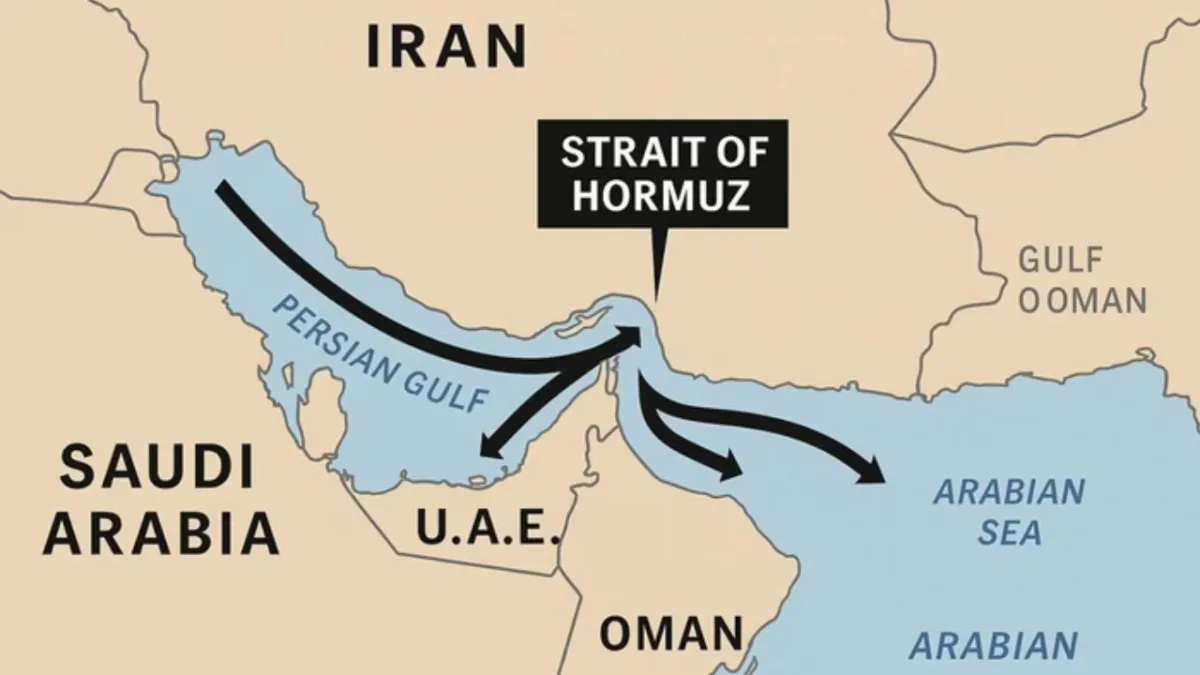
The data suggests that any disruption to Iranian oil production or supplies could have a significant impact on global energy markets, particularly if the conflict escalates or threatens the stability of energy transit routes such as the Strait of Hormuz, the main exit route for about 20 percent of all seaborne oil.
The impact of the conflict can also be felt in other countries' economies. The majority of Iran's oil exports are destined for China, one of the world's largest energy consumers. Supply disruptions could trigger a spike in oil prices and turmoil in the international energy market.
Faris further compared the strategic motives of this conflict to previous US foreign policy, including US interventions in other oil-producing countries. He argued that regime change in an energy-rich country could provide long-term benefits for the US by facilitating access to a more dominant economy in the region.
"In the context of US foreign policy, controlling access to energy is an important instrument for maintaining global economic and political dominance," explained Faris, who is also a lecturer in the UMY International Relations Study Program.
He warned that escalating the conflict has the potential to exacerbate rivalries between major powers and weaken the stability of the international energy market. If tensions continue to escalate, it will not only impact the Persian Gulf region but also developing countries, which are highly sensitive to fluctuations in global oil and energy prices. (ID)